The quick version
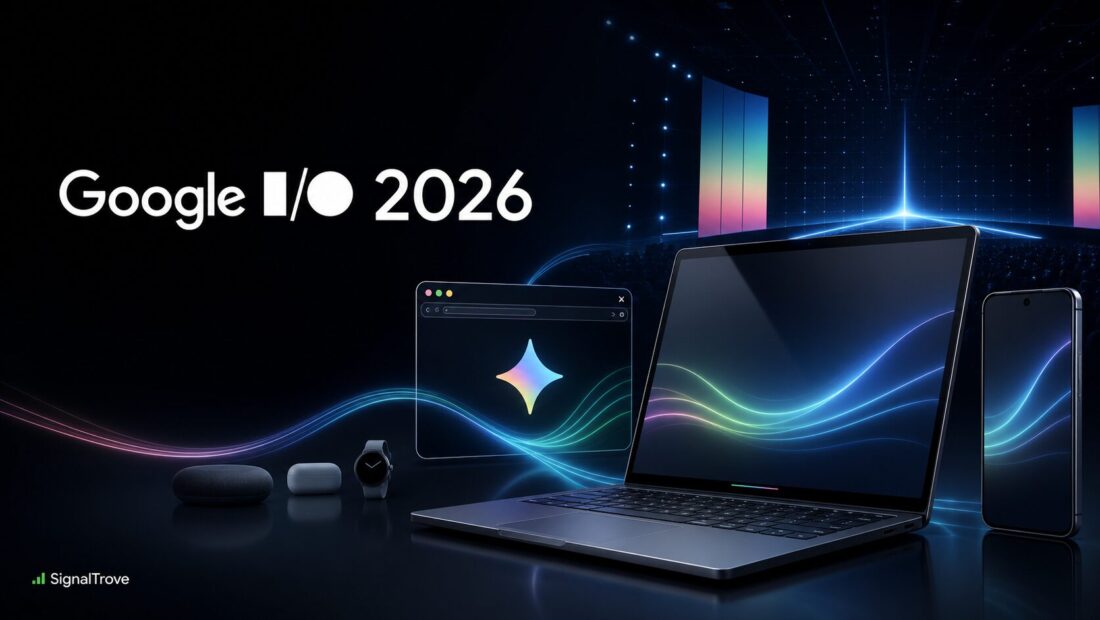
Google I/O 2026 starts on May 19, and the official schedule already confirms two big sessions on day one: the Google keynote at 10:00am PT and the Developer keynote at 1:30pm PT.
The interesting part is that Google has already shown a lot of its hand. The Android Show: I/O Edition 2026 previewed Gemini Intelligence on Android, Gemini in Chrome, Googlebook, Android in cars, Android 17 creator features, security updates and a tease for smart glasses.
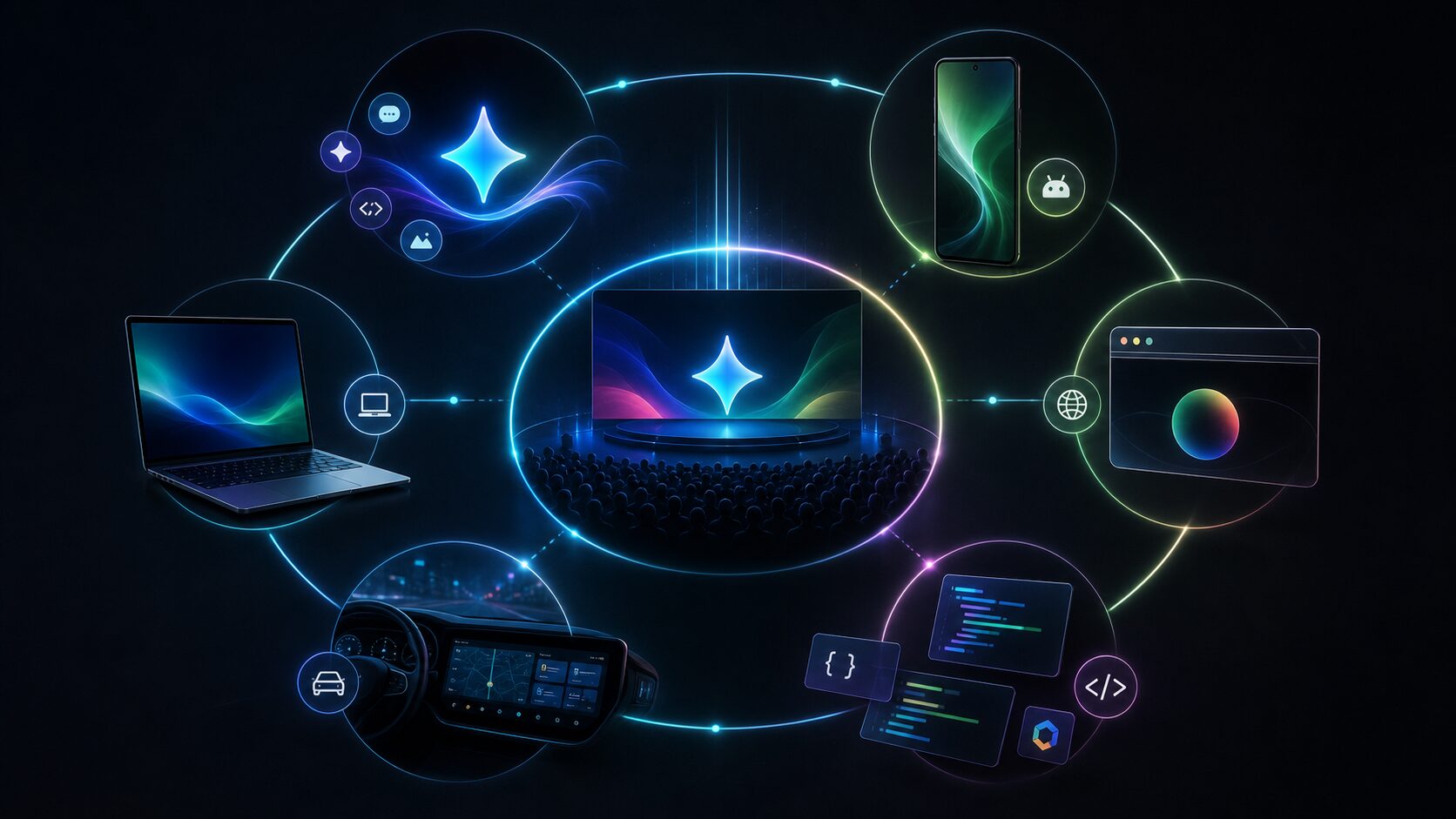
That means Google I/O 2026 is unlikely to be just “here are some new apps”. The bigger story is Google trying to connect Gemini, Android, Chrome, laptops, cars and developer tools into a more proactive computing layer. Useful? Potentially. A bit much? Also potentially. Very Google, then.
Quick summary
- Google I/O 2026 runs online from May 19 to May 20.
- The Google keynote is scheduled for May 19 at 10:00am PT, with the Developer keynote at 1:30pm PT.
- Gemini will almost certainly be the central theme.
- Android Show announcements point to deeper Android, Chrome, laptop, car and developer updates.
- Googlebook is one of the most interesting hardware-adjacent stories to watch.
- Smart glasses are worth watching because Google has already teased more details.
- The biggest question is availability: which features launch, where they launch, and which devices get them first.
Gemini everywhere
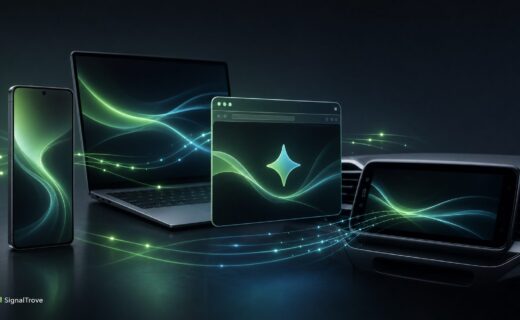
Expect Google to show how Gemini moves across Android, Chrome, Google apps and developer tools.
Googlebook
The new laptop category could be the clearest sign that Android and ChromeOS are being rethought for AI.
Availability
The keynote can promise the future. Buyers need to know devices, dates, regions and prices.
1. Google I/O 2026 should be the Gemini keynote
The safest prediction for Google I/O 2026 is also the obvious one: Gemini will be everywhere.
Google has already framed Android as moving from an operating system to what it calls an intelligence system. That is not subtle. In practical terms, it means Gemini is being positioned less like a separate chatbot and more like a helper woven into the phone, browser, laptop, car and watch.
The Android Show gave us clues: multi-step task automation, smarter autofill, Gemini in Chrome, custom widgets, Rambler for turning spoken thoughts into polished text, and wider device support starting with select Samsung Galaxy and Google Pixel phones this summer.
What to watch at Google I/O 2026 is not just “more Gemini”. It is whether Google can explain the controls clearly. People will want to know what runs on-device, what uses cloud processing, what is opt-in, what data is used, and how easy it is to switch the clever bits off.
2. Googlebook could be the breakout hardware story
Googlebook might be the most interesting thing going into Google I/O 2026 because it hints at a bigger rethink of laptops.
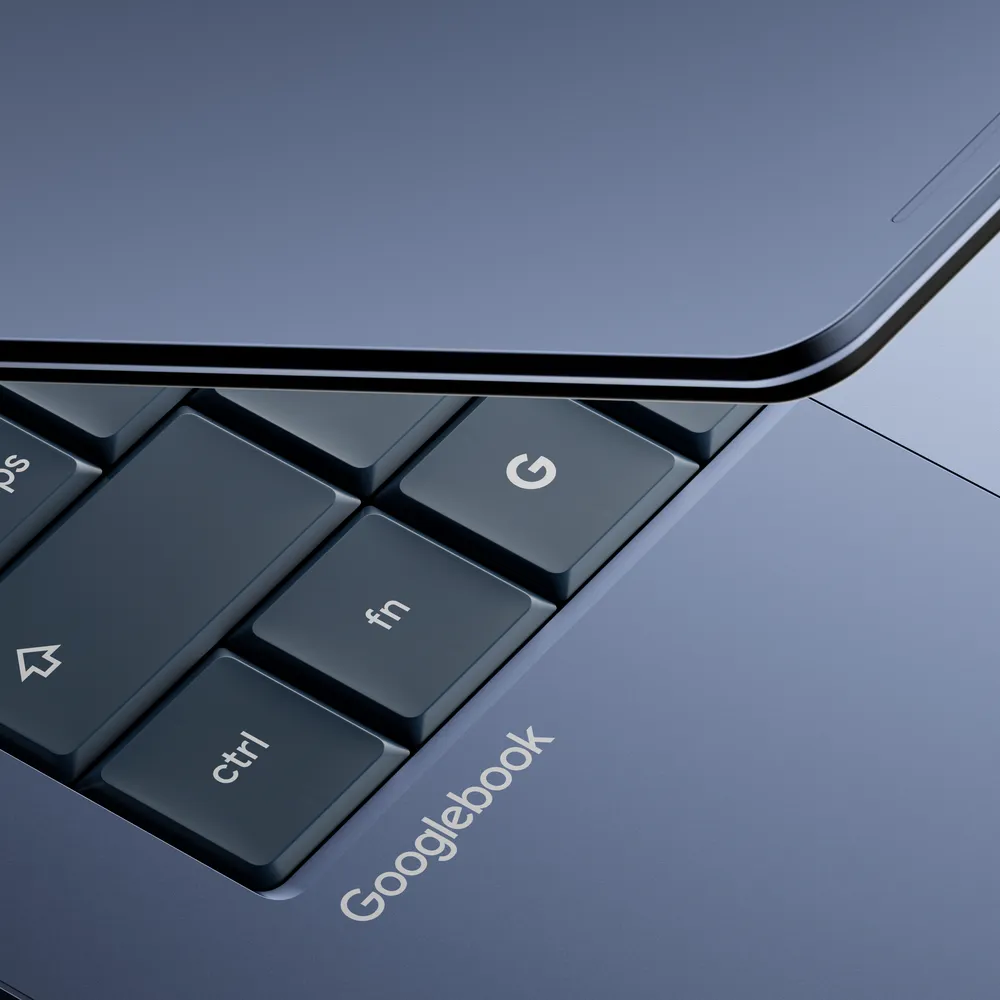
Google describes Googlebook as a new category of laptops designed for Gemini Intelligence, bringing together Android, Google Play apps and ChromeOS-style browsing. The early pitch includes Magic Pointer, contextual suggestions at the cursor, custom Gemini-made widgets, Android phone app access and easier phone file access from the laptop.
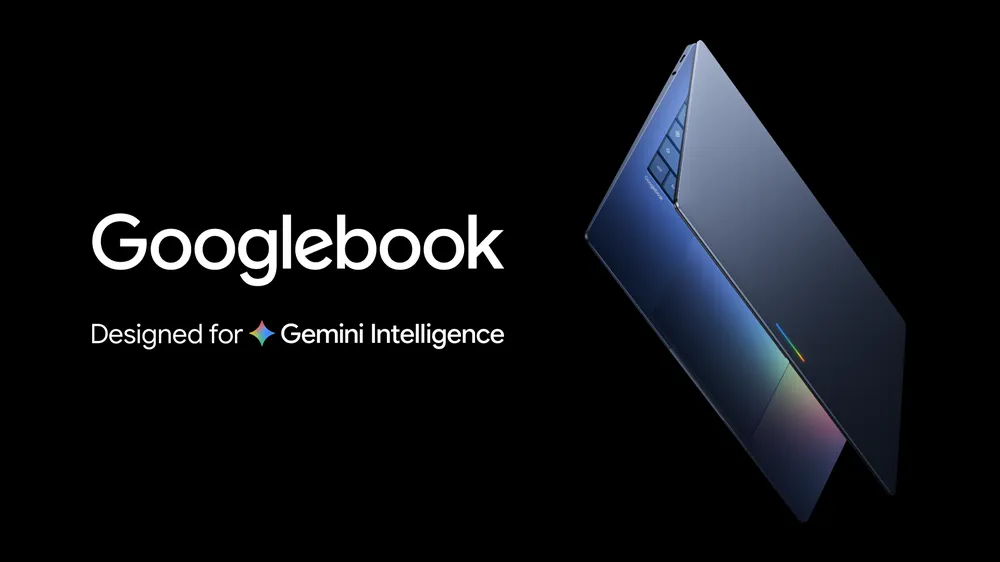
That is a big swing. Chromebooks were built for a cloud-first world. Googlebook sounds like Google trying to build for an AI-first one.
The watch-outs are obvious: price, battery life, app compatibility, update commitments, hardware partners and how Googlebook sits next to Chromebooks. Google says more details are coming later this year, but Google I/O 2026 could still give us a clearer sense of whether this is a serious new category or a shiny concept waiting for a product plan.
3. Chrome AI may become a bigger deal than people expect
Chrome is not the flashiest part of Google I/O 2026, but it might be one of the most practical.
Google has already announced Gemini in Chrome on Android, including page summaries, questions about what you are viewing, Google app connections, image customization with Nano Banana and auto browse for some tasks. Google says the rollout starts at the end of June for select Android devices in the U.S., with auto browse tied to AI Pro and Ultra subscribers.
That last sentence matters. Browser AI sounds exciting, but availability and limits decide whether people actually use it. If the best features are region-limited, subscription-limited or device-limited, the launch will feel less universal than the keynote demo.
The most useful version of Chrome AI is not a browser that tries to be clever at every second. It is a browser that can summarise a dense page, compare information, help with admin tasks and then politely get out of the way.
4. Android 17 could be more about creators than cosmetic changes
Google I/O often brings developer and platform detail, so Android 17 should matter even if the big consumer moments are already teased.
The Android Show preview focused on creator features, better sharing, security, device switching and deeper Gemini support. That suggests Android 17 may not be sold only through a visual redesign. It may be sold through workflows: making, editing, moving files, sharing securely and letting Gemini help across apps.
For everyday users, the question is simple: will this make a current phone feel meaningfully better, or will the best features be tied to newer hardware? For developers, the question is different: which APIs, tools and design patterns does Google want apps to adopt so this new intelligence layer actually works?
That is where the Developer keynote could be more important than usual. If developers do not build for the new system, the keynote demos remain demos.
5. Smart glasses may get their next big tease
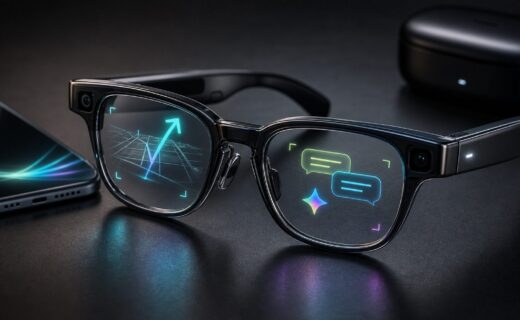
Google’s Android Show collection explicitly told people to tune into I/O for more Android updates and a sneak peek at glasses launching later this year. That makes smart glasses one of the most interesting Google I/O 2026 watch points.
The timing makes sense. AI assistants are much more useful when they can understand voice, camera context and the environment around you. Glasses are one possible endpoint for that idea, but they also bring the biggest privacy and social questions.
Google needs to show more than a slick demo. It needs to explain what the glasses do, how recording is signalled, where data goes, what happens offline, and why people should trust the product in public spaces.
Smart glasses are exciting tech. They are also the kind of tech that can get awkward fast if the social rules are unclear.
6. Android in cars is becoming a real platform fight
Cars are another area where Google I/O 2026 could connect the dots.
Google has already previewed upgrades for Android Auto and cars with Google built in, including a richer experience, widgets, navigation improvements, premium entertainment while parked and more capable Gemini support.
The important thing here is fragmentation. A car dashboard is not like a phone app update. Features depend on car makers, screen sizes, model years, regional services and driver safety rules. The promise of Gemini in the car sounds useful, especially for voice control and planning, but the rollout could vary a lot.
The keynote question: can Google make Android in cars feel like a modern software platform without making dashboards more distracting?
7. Developers need the boring details
Google I/O 2026 is not only for people watching the keynote sizzle reel. It is a developer event, and the Developer keynote at 1:30pm PT is where the less glamorous but more important details should land.
Developers need to know how to build for Gemini Intelligence, how Android APIs are changing, what Chrome AI means for web apps, how Play policies may evolve, and what new tooling Google expects teams to adopt.
This is also where Google has to make the AI story feel practical. Developers have heard a lot of AI promises already. What they need now is stable documentation, sensible APIs, clear privacy boundaries and examples that do not require rebuilding an entire app from scratch.
If Google gets that right, Google I/O 2026 could be more than another AI showcase. It could be a turning point for how Android, Chrome and Google services work together.
What should normal users watch for?
If you are not a developer, you do not need to track every API name. Watch for four things.
First, device support. Which phones, laptops, watches and cars actually get the new features?
Second, region support. A feature can look brilliant on stage and still be unavailable where you live.
Third, pricing. AI Pro, Ultra or hardware requirements could shape who gets the best features.
Fourth, controls. The best AI features should make your device more helpful without making it feel like your device is quietly making decisions for you.
Our Android Show I/O Edition 2026 roundup is worth reading alongside this preview, because it covers the announcements Google has already confirmed. If you want the bigger AI landscape, our ChatGPT vs Gemini vs Claude comparison is the better starting point.
SignalTrove take
Google I/O 2026 is shaping up to be less about one product and more about one direction: Google wants Gemini to become the connective tissue across Android, Chrome, laptops, cars, glasses and developer tools.
That is ambitious, and there is a genuinely useful version of it. A phone that fills forms more intelligently, a browser that helps with research, a laptop that understands context, and a car interface that is easier to control by voice all sound good.
The risk is the usual one: too many demos, too many restrictions, too much “coming later”, and too little clarity about privacy, pricing and availability.
So the best way to watch Google I/O 2026 is with excitement and a checklist. The big ideas are already on the table. Now Google has to show what ships, when it ships, and who actually gets it.
FAQ
When is Google I/O 2026?
Google I/O 2026 runs from May 19 to May 20. The official schedule lists the Google keynote for May 19 at 10:00am PT and the Developer keynote for May 19 at 1:30pm PT.
What will Google announce at Google I/O 2026?
Google has not confirmed every keynote announcement yet, but the Android Show points to Gemini, Android, Chrome AI, Googlebook, smart glasses, developer tools, cars and security as major areas to watch.
Will Googlebook be announced at Google I/O 2026?
Google has already introduced Googlebook as a new Gemini-first laptop category. Google I/O 2026 may bring more context, but Google says more details will arrive later this year.
Is Google I/O 2026 mainly about AI?
AI will almost certainly be central, especially Gemini. The more useful way to think about it is that Google I/O 2026 may show how AI changes Android, Chrome, laptops, cars, glasses and developer workflows.
Should I wait for Google I/O 2026 before buying a phone or laptop?
If you are considering a Pixel, Samsung Galaxy, Chromebook-style laptop or a future Googlebook, waiting for the keynote makes sense. At minimum, you will know more about feature availability, device support and Google’s 2026 roadmap.
Sources
- Google I/O: Official Google I/O 2026 schedule
- Google Blog: The Android Show: I/O Edition 2026
- Google Blog: Gemini Intelligence on Android
- Google Blog: Introducing Googlebook
- Google Blog: Bringing Gemini in Chrome to Android
- Google Blog: Android in cars updates
- Android Developers Blog: Building for the Intelligence System on Android