Quick Answer
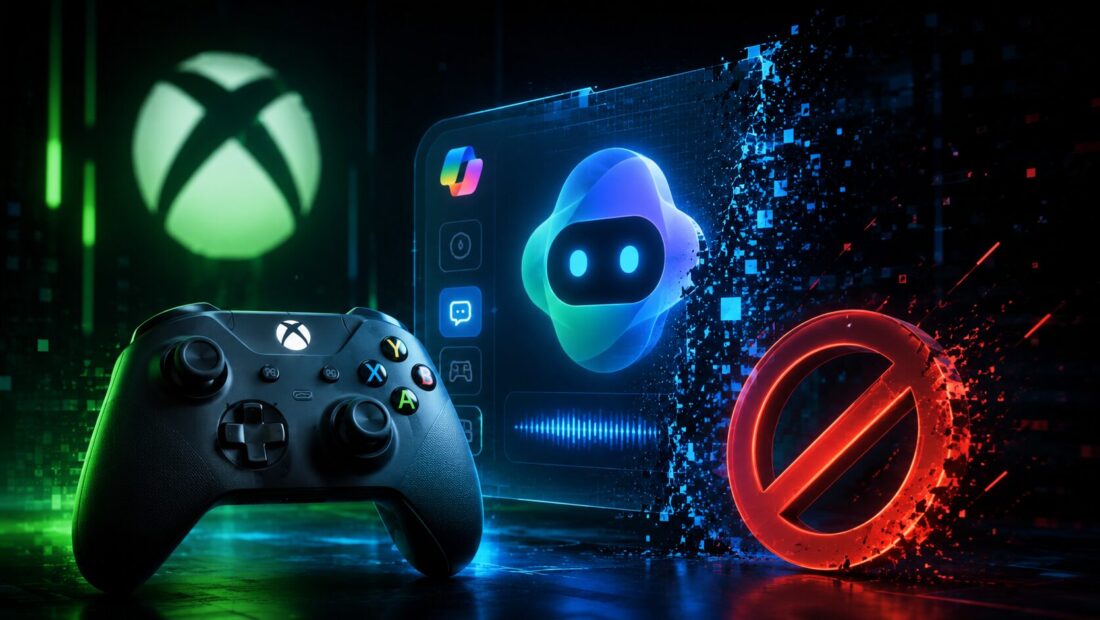
Xbox is winding down Copilot for Gaming on mobile and reportedly stopping development of the Xbox console version of the assistant, according to multiple reports published this week.
To be clear, this is not the same thing as Xbox stopping console hardware development. Xbox is still expected to be working on future hardware, including Project Helix. This story is about the Copilot for Gaming feature, not Xbox hardware itself.
That is a pretty sharp turn. Copilot for Gaming was pitched as an AI sidekick for players, with features like gameplay help, coaching, recommendations, and support while you play. The idea was not boring. AI that can actually understand where you are stuck in a game and give useful help could be brilliant.
The issue is whether players really wanted that inside Xbox right now.
This story is interesting because it is not just “AI bad” or “AI good”. It is more useful than that. It shows the next phase of AI products: the feature has to solve a real problem, respect the user, and fit the experience. Otherwise, even a big company can decide the shiny thing needs to go back in the drawer.
What Happened
Reports from Windows Central, Tom’s Hardware, and WinBuzzer say Xbox is pulling back Copilot for Gaming on mobile and ending development of the planned Copilot console version.
The move is tied to a wider reset inside Xbox under CEO Asha Sharma. The broad message is that Xbox wants to move faster, reconnect with the player community, and cut features that do not fit the direction of the platform.
That puts Copilot for Gaming in an awkward place.
Microsoft originally introduced Copilot for Gaming as an AI-powered assistant for Xbox players. Xbox Wire described it as a way to help players get into games faster, improve skills, discover games, and return to titles they had stepped away from. Testing later rolled out through mobile and PC-related surfaces.
Then, earlier this year, the idea of a Copilot console rollout was still alive. Now, reports say that version of the AI assistant is no longer moving forward and the mobile version is being wound down.
That is a fast change in direction.
Why This Is Bigger Than Xbox
This is not just a gaming story. It is a useful AI product story.
For the last couple of years, big tech companies have been adding AI into everything: search, phones, laptops, documents, browsers, cameras, smart home devices, email, operating systems, and now gaming.
Some of it is genuinely useful. Some of it feels like someone in a meeting said “AI” and everyone nodded because the quarterly presentation needed a sparkle button.
Gaming is a tricky place for that.
Players already have strong opinions about overlays, pop-ups, forced accounts, subscriptions, performance hits, online requirements, and features that get between them and the game. If an AI assistant helps you find a game, understand a confusing system, or get unstuck without spoilers, great. If it feels like another corporate layer watching your screen and offering tips nobody asked for, that is a harder sell.
AI in games has potential. But it needs to be invited.
What Xbox Copilot Was Supposed To Do
Copilot for Gaming was designed as a gaming-specific AI assistant.
The pitch included ideas like:
- Helping players get back into a game after time away
- Giving gameplay tips
- Offering coaching
- Suggesting what to play next
- Answering questions while a game is running
- Helping with Xbox services and discovery
On paper, there is a real idea here.
Imagine returning to a huge RPG after three months and asking what your last quest was. Or getting a quick explanation of a confusing upgrade system. Or asking for spoiler-free help when a boss fight is turning your evening into a character-building exercise.
That could be useful.
But useful in theory is not the same as useful in the actual Xbox experience.
Why Players May Not Have Been Sold
The awkward truth is that many gamers already know where to get help.
They use YouTube, Reddit, Discord, wikis, guides, friends, Twitch clips, Steam forums, and good old-fashioned panic-searching at 1:12am. A console AI assistant has to beat those habits, or at least fit alongside them without being annoying.
It also has to answer some uncomfortable questions:
- What data does it need from the game?
- Is it reading screen activity?
- Does it affect performance?
- Can players turn it off completely?
- Will it spoil story moments?
- Is it actually better than a guide?
- Does it make games feel less like discovery and more like following instructions?
That last one matters. Getting lost, experimenting, failing, and figuring things out is part of the fun in a lot of games. Not every friction point needs a chatbot hovering nearby with the emotional energy of a helpful office printer.
The Privacy And Trust Problem
AI assistants in games can be more sensitive than they first appear.
To be genuinely useful, an assistant may need to know what game you are playing, what is on screen, where you are stuck, what account you use, what you have played before, and maybe even what you say or type.
That does not automatically make it bad. Context is what makes assistants useful.
But it does mean Xbox has to be very clear about what data is used, where it goes, how long it is kept, and what control players have.
For a lot of people, the default position is simple: do not watch my screen unless I clearly asked you to. Fair enough, honestly.
This is exactly why our guide on how to spot overhyped tech products focuses so heavily on privacy, support, and real-world usefulness. AI labels are not enough. Trust matters.
Why Xbox May Be Making The Right Call
If Xbox is trying to rebuild trust and sharpen its product direction, cutting a half-proven AI assistant may be sensible.
That does not mean Copilot for Gaming was a terrible idea. It may have been early. It may have needed a clearer use case. It may work better in PC Game Bar, handhelds, accessibility tools, or optional support flows than as a headline console feature.
The smart move is not to force AI everywhere. The smart move is to put AI where it makes the experience obviously better.
For Xbox, that might mean:
- Better game discovery
- Smarter search
- Accessibility support
- Optional spoiler-free help
- Cleaner account and support tools
- Faster troubleshooting
- Developer tools that reduce repetitive work
Those are less flashy than “AI gaming sidekick”, but possibly more useful.
And useful is what earns the signal.
What This Says About AI In Gaming
AI in gaming is not going away.
Developers are already using AI-adjacent tools for testing, animation workflows, localisation, moderation, accessibility, player support, and production tasks. Players may eventually get AI features that feel genuinely helpful too.
But the Xbox Copilot pullback is a reminder that gaming is not like a spreadsheet.
In a document app, an AI assistant that summarises text or drafts a paragraph has a clear job. In a game, the job is more delicate. The feature has to respect play, discovery, atmosphere, challenge, privacy, and performance.
If AI makes a game easier to enjoy, brilliant.
If it turns the console into a needy dashboard full of advice, no thanks. We already have enough things asking for attention.
For a wider beginner-friendly AI background, see our guide on what AI is and why everyone is talking about it.
What To Watch Next
The big question now is what happens to Gaming Copilot on PC-related surfaces, including Game Bar and handheld-style Xbox experiences. Some reports note that the future of those versions is less clear than mobile and console.
Watch for:
- An official Xbox newsroom clarification
- Changes to Copilot inside the Xbox mobile app
- Whether PC Game Bar keeps the feature
- Whether Xbox replaces it with smaller AI tools
- How players respond to fewer AI features
- Whether Microsoft applies the same discipline to other Copilot products
This also gives us a neat test for the wider AI industry. If even Microsoft is willing to pull back a Copilot feature when it does not fit, other companies may start becoming more selective too.
That would be healthy.
AI does not need to be everywhere to matter. It needs to be good where it shows up.
For another recent AI platform shift, see our coverage of OpenAI GPT-Realtime-2 and the new voice AI models.
The SignalTrove Take
This is exactly the kind of tech story worth paying attention to because it says something bigger than the headline.
We are excited about AI. We are also very interested in the moment when companies realise that excitement is not the same as product-market fit.
Xbox Copilot could have become useful. Maybe parts of the idea will return in a better shape later. But if players were not asking for it, and Xbox has more urgent platform problems to solve, pulling back makes sense.
The future of gaming probably does include AI. The best version will be optional, helpful, privacy-aware, and genuinely respectful of how people play.
The worst version will be a chatbot popping up mid-boss fight to tell you what you already know: yes, you are losing. Thank you, machine.
SignalTrove is plugged into what’s next. This time, what is next might be a little more restraint.